Mindful Parenting
Supporting whole-child, trauma-informed, globally-minded relationships with our kids.
My primary goal in my relationship with my kids is to facilitate their ability to find meaning in and respect for their relationships with the earth, the people around them, and themselves. Most days are a mix of successes and failures, but below you'll find some books that help me get closer to where I want to be.
1. Good Inside by Dr. Becky Kennedy
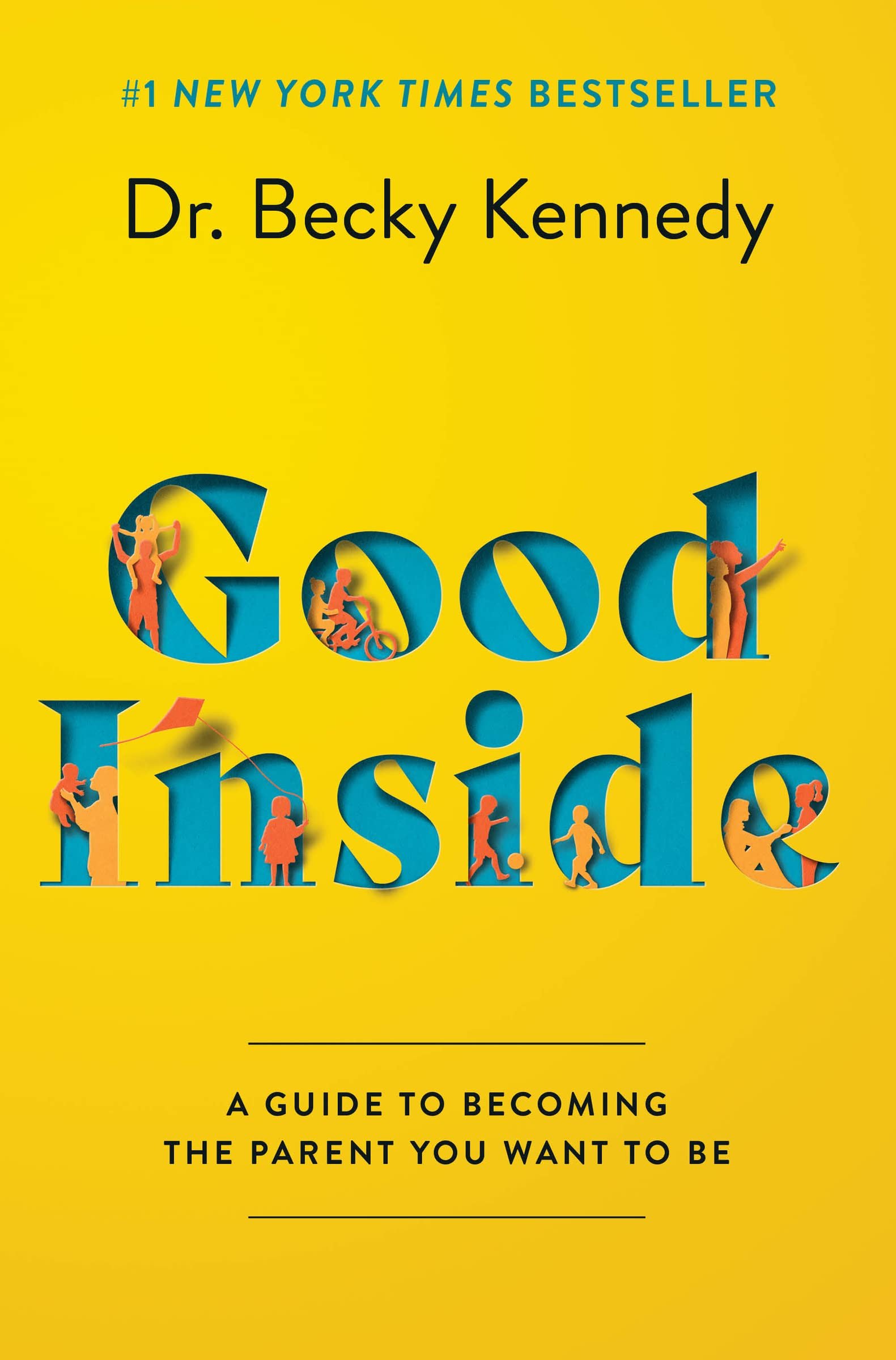
Publisher’s Summary:
Parents have long been sold a model of childrearing that simply doesn’t work. From reward charts to time outs, many popular parenting approaches are based on shaping behavior, not raising. These techniques don’t build the skills kids need for life, or account for their complex emotional needs. Add to that parents’ complicated relationships with their own upbringings, and it’s easy to see why so many caretakers feel lost, burned out, and worried they’re failing their kids. In Good Inside, Dr. Becky shares her parenting philosophy, complete with actionable strategies, that will help parents move from uncertainty and self-blame to confidence and sturdy leadership.
My Thoughts:
There’s a lot of good parenting books out there and, while I won’t say to only read this one, I will say to read this one first. My two key takeaways from the book are that (1) both our kids and ourselves as parents are irrefutably good inside, and (2) we can hold space for two conflicting statements at the same time (i.e. I am good inside and I made a mistake that I need to rectify). As we learn how to hold space for ourselves and believe in our goodness, it becomes a lot more natural to do that for our kids too.
This is a powerful parenting book in its own right, and it serves as a beautiful foundation for further study.
2. No-Drama Discipline by Daniel J. Siegel, M.D. and Tina Payne Bryson, Ph.D.
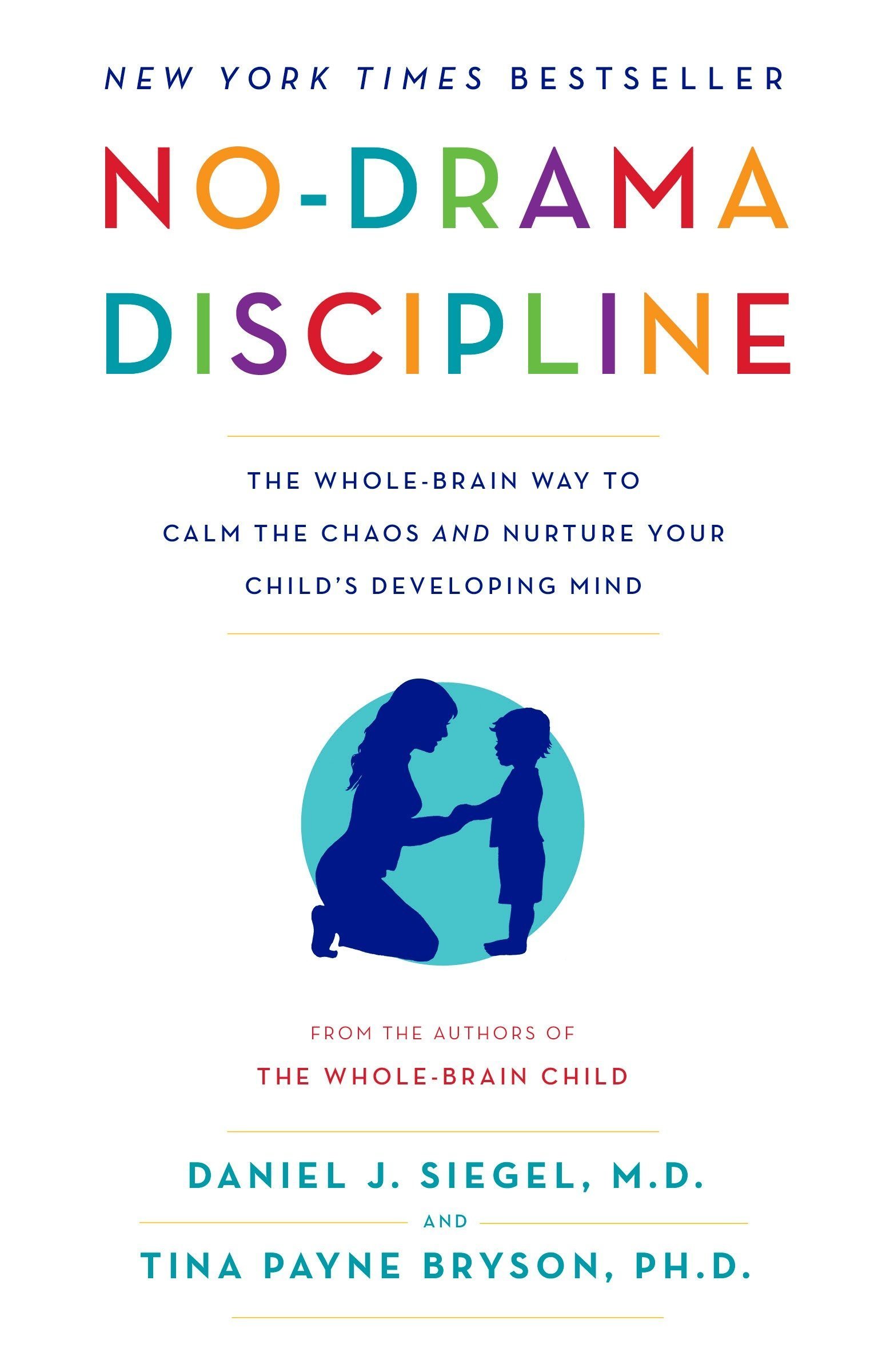
Publisher’s Summary:
The pioneering experts behind the bestselling The Whole-Brain Child now explore the ultimate child-raising challenge: discipline. Highlighting the fascinating link between a child’s neurological development and the way a parent reacts to misbehavior, No-Drama Discipline provides an effective, compassionate road map for dealing with tantrums, tensions, and tears—without causing a scene.
Defining the true meaning of the “d” word (to instruct, not to shout or reprimand), the authors explain how to reach your child, redirect emotions, and turn a meltdown into an opportunity for growth. By doing so, the cycle of negative behavior (and punishment) is essentially brought to a halt, as problem solving becomes a win/win situation.
My Thoughts:
As a parent who naturally leans more permissive, this book is an absolute game changer in bringing me closer to the elusive and desired authoritative parenting style. With just a little bit of brain science and a lot of sample scenarios and dialogue, it’s an approachable read that offers compassion and hope as it teaches parents how to focus on building our kids’ brains, rather than control behavior.
The authors’ other book, The Whole-Brain Child, is also very much on my to-read list.
Bonus: If you want a sneak peak to the material, you can look at the supplemental resources from the book, including the authors’ summary sheet entitled, “A Note to Our Child’s Caregivers: Our Discipline Approach in a Nutshell” here.
3. Balanced and Barefoot by Angela J. Hanscom
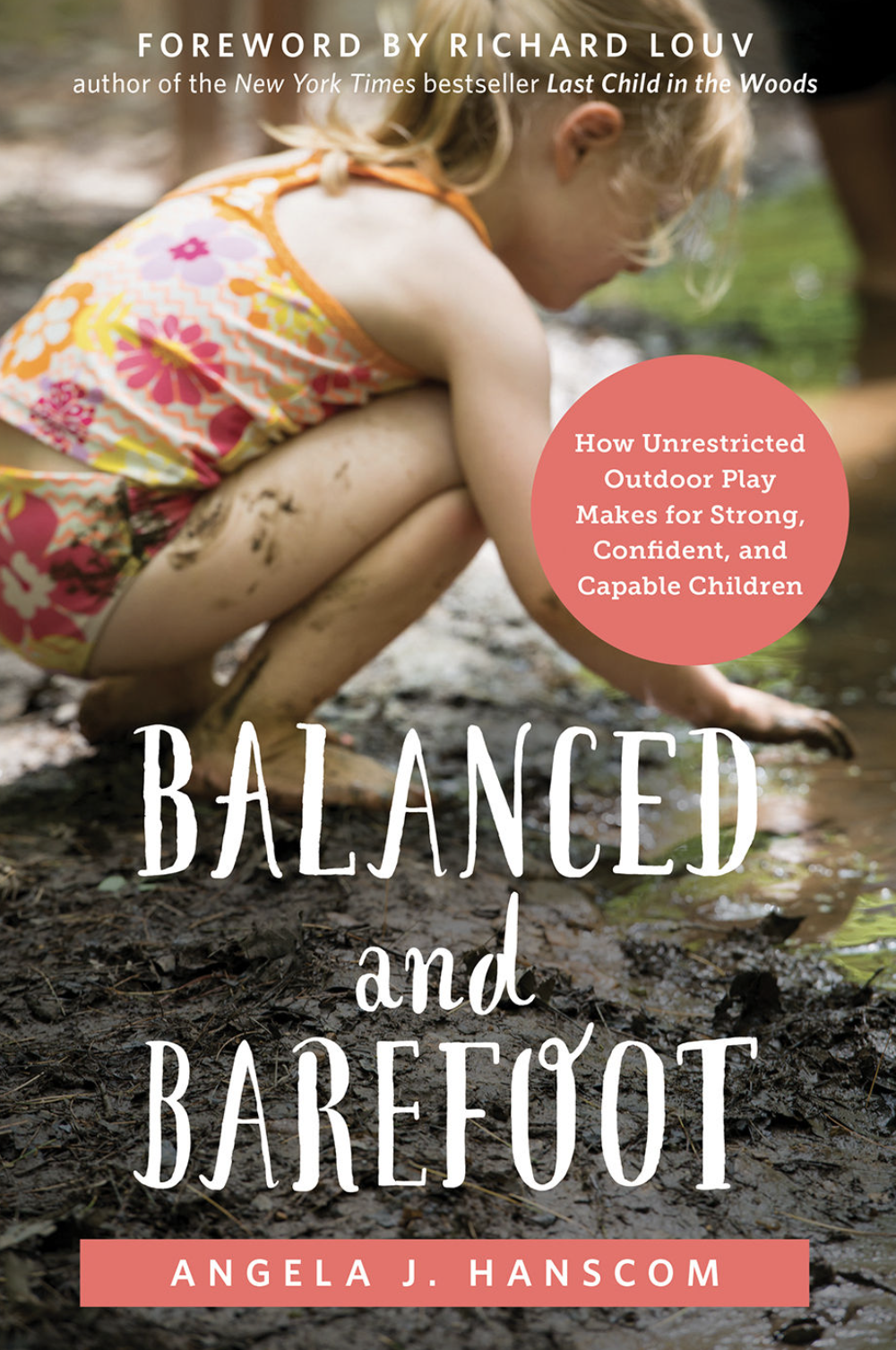
Publisher’s Summary:
In this important book, a pediatric occupational therapist and founder of TimberNook shows how outdoor play and unstructured freedom of movement are vital for children’s cognitive development and growth, and offers tons of fun, engaging ways to help ensure that kids grow into healthy, balanced, and resilient adults.
My Thoughts:
My kids are in constant motion. While I knew superficially that kids need lots of movement, Balanced and Barefoot explains what’s going on physiologically that drives that need. We are already a pretty a pretty outdoor-oriented family, but this book gave me two key gifts: (1) patience through understanding, and (2) specific tools to add intentionality to our time outside. Nothing emotionally regulates my kids like fresh air and movement, and this book just made it easier for me to facilitate it.
Also, in my opinion occupational therapists are where it’s at when it comes to information on how physical movement and input influence our mental and emotional health. They seem to strike just the right balance between science and intuition for my brain, and it’s been really good for our family.
Bonus: For a quick intro to the content, check out this 30-minute podcast interview with the author.
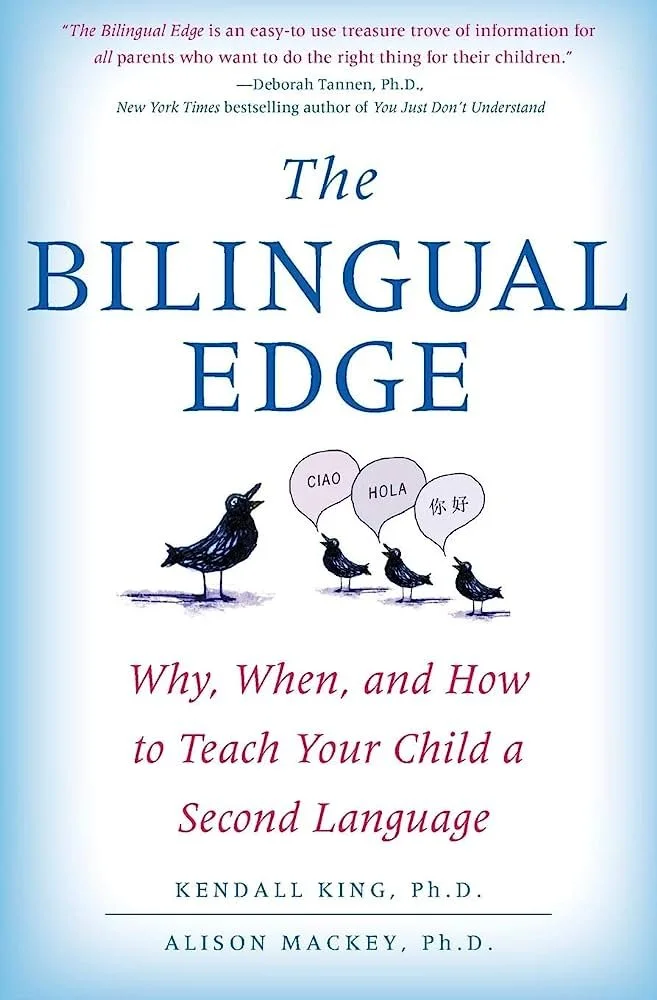
4. The Bilingual Edge by Kendall King, Ph.D. and Alison Mackey, Ph.D.
Publisher’s Summary:
In The Bilingual Edge, professors and parents King and Mackey wade through the hype of foreign-language learning and provide clear insights into what actually works. No matter what your language background is—whether you never passed Spanish in high school or you speak Mandarin fluently—King and Mackey will help you:
select the language that will give your child the most benefits
find materials and programs that will assist your child in achieving fluency
identify and use your family's unique traits to maximize learning
Fancy private schools and expensive materials aren't needed. Instead, The Bilingual Edge translates the latest research into interactive strategies and quick tips that even the busiest parents can use.
My Thoughts:
(Disclaimer: Foreign language learning is a great way to raise globally-minded children, but it is certainly not the only way. We all do what we can with the resources and priorities that we have, and a foreign language happens to be accessible for my family. If this book recommendation generates more overwhelm than excitement, please pass over this one.)
King and Mackey do a phenomenal job of breaking down the benefits to speaking more than one language (my favorite: increased empathy, open-mindedness, and creativity), and outline what it takes to actually succeed in reaching fluency. The first half of the book will hype you up about language learning, and the second half shows you how. My family is still working on finding our particular rhythm of language learning, but this book gave us a great jump start in the process. Coming from someone who studied foreign language at a graduate level, this book is a must read for anyone considering adding a language to your home.
Bonus: If you’re looking for a great resource on starting language learning at home with kids between the ages 4-10, check out the Homeschool Languages curriculum. We have the Portuguese curriculum and it is so good. They also have materials available in Spanish, French, German, and Italian.
—//—
As part of my Resource Index series, I consider this article a living document and may update it as I find other relevant resources that have staying power over time. To hear more about what I’m reading in real time and to support my work, please consider subscribing below.
Note: I will always promote the use of public libraries first. I firmly believe in the importance of a good library in every community, and the more a library is used the more resources will be allocated to it. (An actual embodiment of an abundance mindset!) I also include direct Bookshop links to each book for your convenience. If you decide to add any of these books to your personal library through these links, your purchase will also go to support local bookstores and my writing. However you acquire your books, thank you for engaging in these topics with me!